1969
One-of-a-Kind
Verified
Volkswagen Escarabajo
1500 · Sedan
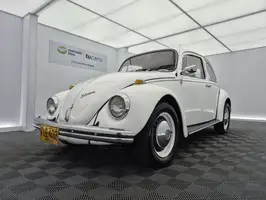
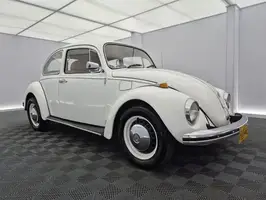
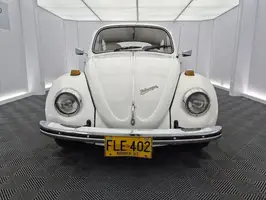
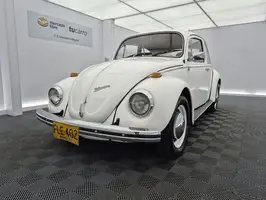
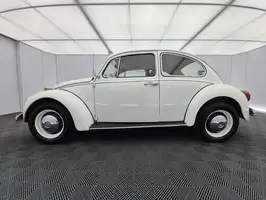
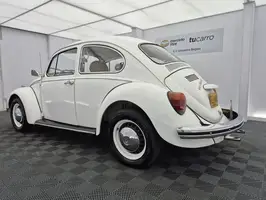
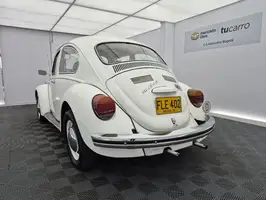
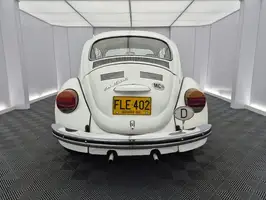
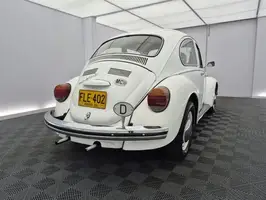
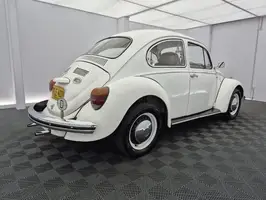
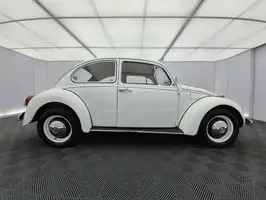
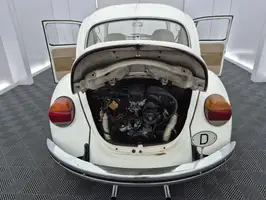
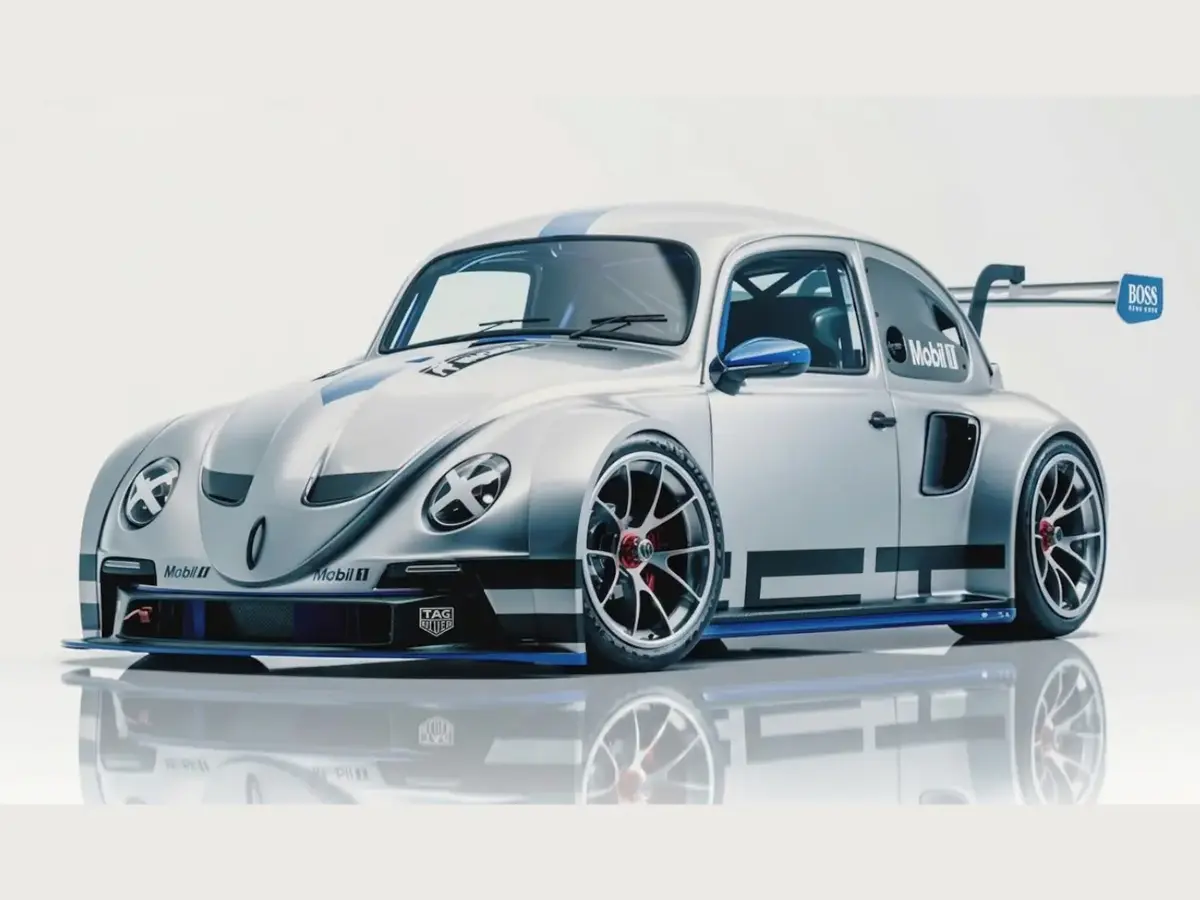
Blending classic Volkswagen styling with unmistakable custom craftsmanship, this 1969 VW Beetle is finished in a crisp white paint that highlights its clean lines. Wide Porsche-style fiberglass fenders and custom gold wheels give it a bold, performance-inspired stance that's impossible to ignore. A professionally built 2275cc air-cooled Volkswagen engine provides exhilarating power, transforming this iconic Beetle into a head-turning custom that's built to impress on every drive.
$28 000 000
⭐ 4.9 · 142 reviews · Featured Build
✓ Perfect for
- Show-quality collectors
- Air‑cooled purists
- Documentation lovers
✗ Not for
- Daily commuting
- Budget buyers
- Family haulers
Mileage1 mi
Horsepower185 HP
TransmissionManual
volkswagen escarabajo 1969 review — what holds up and what doesn’t
The 1969 Volkswagen Beetle 1969 sits right in the middle of the Beetle timeline, after the early “pure” cars but before the heavier, more compromised 1970s versions. It runs a 1500cc air-cooled flat-four making about 53 horsepower. That’s factory rating. Real-world, with wear, you’re often looking at less.
It uses a 12-volt electrical system, which matters. Earlier Beetles were 6-volt and slow to crank. This one starts easier, runs brighter lights, and doesn’t feel like a relic every time you turn the key. Still carbureted. Still simple. No computers, no sensors, no safety nets.
You’re not buying speed. You’re buying mechanical access and low parts complexity.
engine and drivetrain reality
The 1500cc engine is simple enough that a basic rebuild can be done in a small garage with hand tools and a torque wrench. Case machining, line boring, and head work still require a shop. Anyone saying otherwise hasn’t built one properly.
Stock setup:
- 1500cc single-port engine
- Solex carburetor
- 4-speed manual transmission
- Swing axle rear suspension (in most markets)
The upside is obvious. Fewer parts. Cheap internals. You can pull the engine in under an hour once you’ve done it twice.
The downside shows up fast. These engines run hot if timing or carb tuning is even slightly off. Oil leaks are normal, not a defect. Valve adjustments every 3,000 miles. Miss that and you burn valves. Then you’re pulling heads.
Real example: a customer brought in a ’69 that “just lost power.” Exhaust valve on cylinder 3 was gone. Tight valves, overheated, seat dropped. Full top-end rebuild. $1,200 in parts and machine work, not counting labor.
driving it in modern traffic
You’re working with roughly 0–60 mph in 18–20 seconds. That’s not slow by classic standards. It’s slow by any modern road where people expect acceleration.
Highway driving at 65 mph is doable. Sustained 70+ pushes the engine hard, especially in hot climates. Cooling depends on engine speed and airflow. There’s no margin if the cooling tin is missing or the engine bay seal is shot.
Brakes are drum on all four corners. Properly adjusted, they stop straight. They don’t stop fast. Fade shows up on long downhill runs.
Steering is light. Too light at speed. Crosswinds move the car around more than people expect. Short wheelbase doesn’t help.
interior and build quality
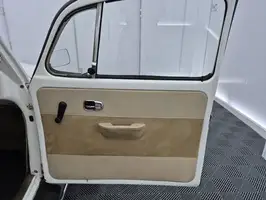
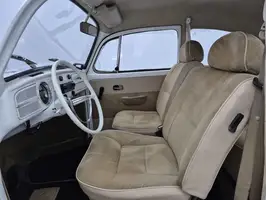
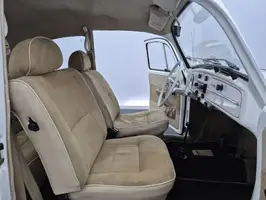
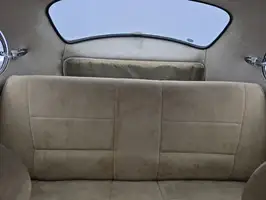
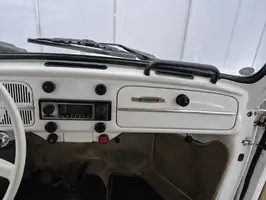
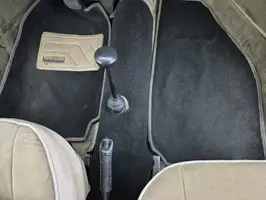
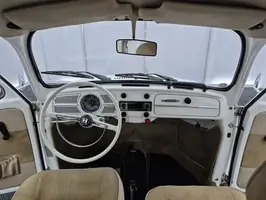
The interior is basic. Thin padding, upright seating, minimal insulation. You hear everything: engine, road, wind. No pretending otherwise.
What holds up:
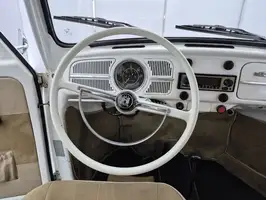
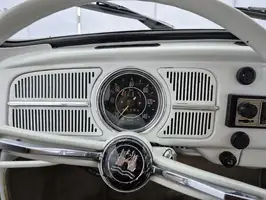
- Simple dash layout
- Mechanical switches that can be repaired
- Seats that are easy to reupholster
What doesn’t:
- Door seals harden and leak
- Floor pans rust from the inside out
- Headliners sag or tear
Rust is the real killer. Not mileage. A clean-looking car can have rotten heater channels and weak structural points. Fixing that isn’t cosmetic. It’s cutting and welding. Expect $2,000–$5,000 if done right.
maintenance and parts
Parts are cheap because volume was high. You can still buy most components new. The problem is quality.
Original German parts last decades. Some modern replacements don’t last a year. Cheap carburetors, weak ignition components, soft metal in engine internals. You save money upfront, then redo the job.
Maintenance isn’t optional:
- Valve adjustment every 3,000 miles
- Oil change every 3,000 miles (no full-flow filter unless modified)
- Ignition timing checks regularly
- Carb tuning as seasons change
Skip any of that and reliability drops fast.
what people get wrong
People treat the 1969 Beetle like a modern car with vintage styling. That’s the mistake.
It doesn’t tolerate neglect. It doesn’t self-correct. If it runs poorly, it’s because something is out of spec, and it won’t fix itself.
Another common mistake is over-upgrading without understanding the system. Throwing on dual carbs, a bigger engine, or aftermarket exhaust without proper jetting and cooling setup usually makes the car worse, not better.
where it actually fits
The 1969 Beetle works as a hands-on car. Something you maintain, adjust, and keep alive through attention. It’s not a daily driver unless you accept the limitations and stay on top of maintenance.
Treat it like a machine that needs input, not convenience. That’s the difference between a car that runs for years and one that sits half-finished in a garage.